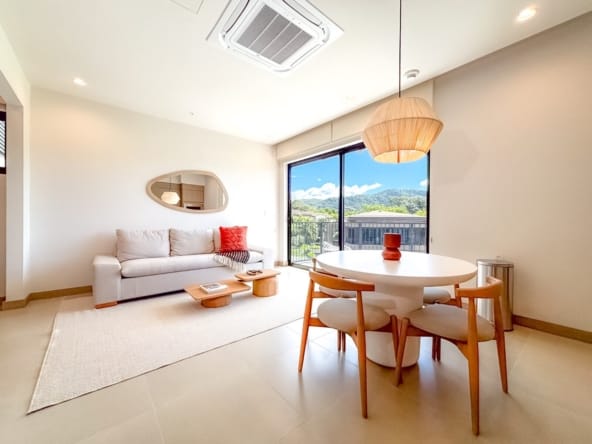
Preparing to sell a condo in Playas del Coco starts before the photos and the asking price. The strongest starting point is a property that shows well, a clear document file, and straightforward answers to the questions a serious buyer will ask.
Whether you own in Las Palmas, Pacifico, or another Coco community, the aim is the same: make it easy to understand what is being sold, what it costs to own, and how the transaction can move forward. Here is what to organize before your condo goes on the market.
1. Build your seller document file
Start gathering the information your broker and independent Costa Rican attorney will need. The exact requirements depend on the ownership structure and transaction, so treat this as a preparation list—not a substitute for legal review.
- Property identification: registration details and the cadastral plan, together with any documents relevant to parking, storage, or other rights included in the sale.
- Authority to sell: owner identification and, if a company owns the condo, the corporate documents your attorney requests to confirm who can sign.
- Outstanding obligations: details of any mortgage, lien, tax balance, or other issue that needs to be addressed.
- Property records: available plans, renovation approvals, warranties, service records, and insurance information.
- Ownership expenses: recent HOA statements, property-tax records, and representative utility bills.
Have your attorney identify missing or outdated documents early. Gathering a file before listing is much easier than trying to resolve every question after an offer arrives. Share sensitive records through an appropriate private channel, not in a public listing.
2. Make the HOA information easy to understand
A buyer needs more than a monthly fee. Request a current statement from the administrator and confirm what the fee includes, whether your account is current, and whether any special assessment has been approved or is under discussion.
Gather the available condominium rules, budget, recent meeting minutes, and information about planned works. Be ready to explain parking, pets, rental restrictions, guest access, and any approvals needed for alterations.
Las Palmas is a neighborhood with multiple condo communities—not a single association with one fee. Even within a named development, buyers should verify the information for the specific unit. Our condo ownership-cost guide explains the broader questions buyers are likely to bring.
3. Fix the distractions before adding expensive upgrades
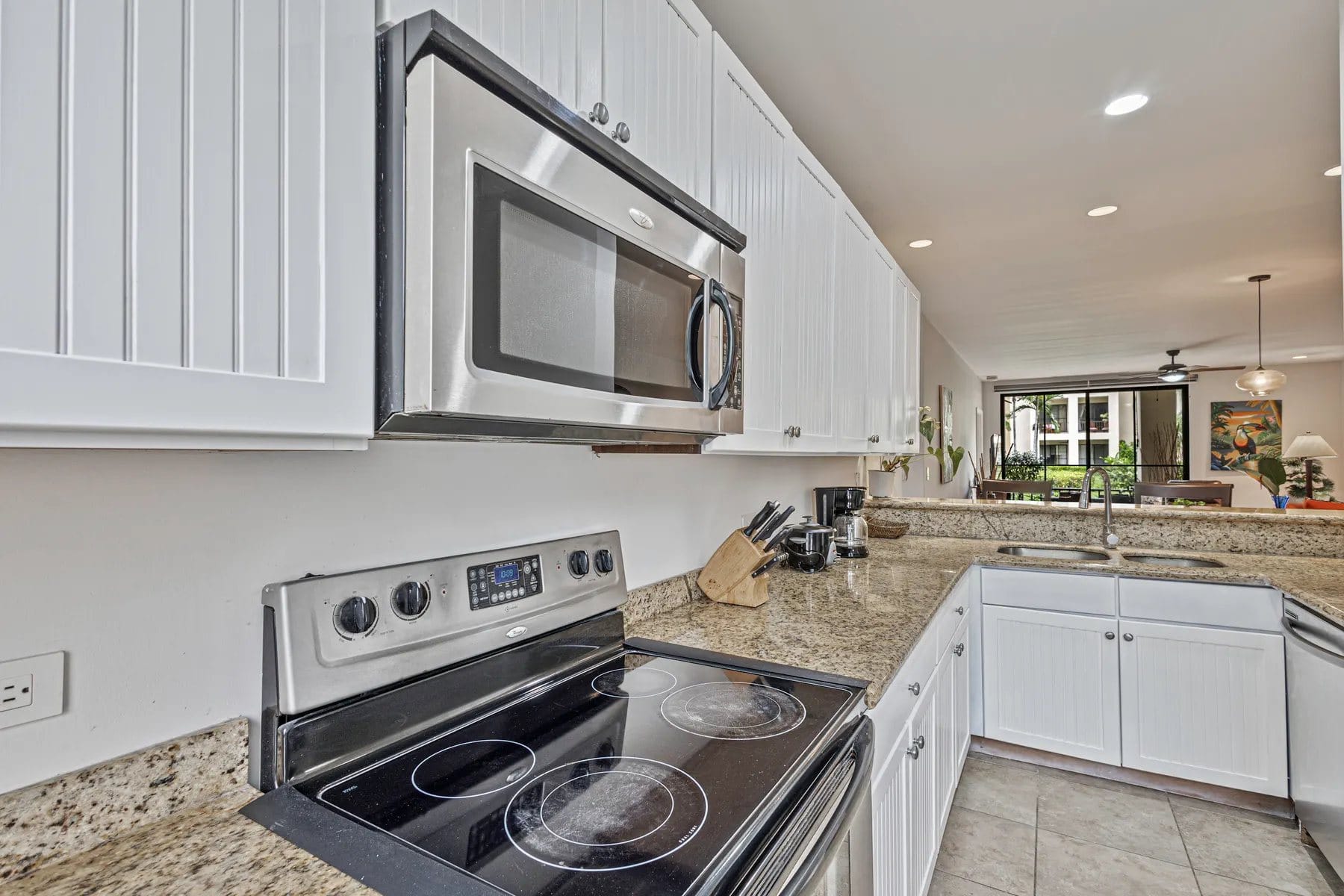
Walk through the condo as if you were seeing it for the first time. A dripping faucet, a sticking door, weak lighting, or an air conditioner that needs servicing can distract from an otherwise appealing home.
- Check plumbing fixtures, lights, fans, door hardware, and appliances.
- Service air conditioning where needed and retain the records.
- Investigate leaks, moisture, and odors rather than painting over the symptoms.
- Clean windows, screens, grout, balconies, and outdoor furniture.
- Remove excess furniture and personal items so room sizes and circulation are clear.
Discuss major renovations before committing money. A new kitchen or bathroom is not automatically recovered in the sale price. The right work depends on the condo’s condition, the competition, and your selling timeline. Known defects should be discussed honestly with your advisers and handled appropriately in the transaction.
4. Decide exactly what is included
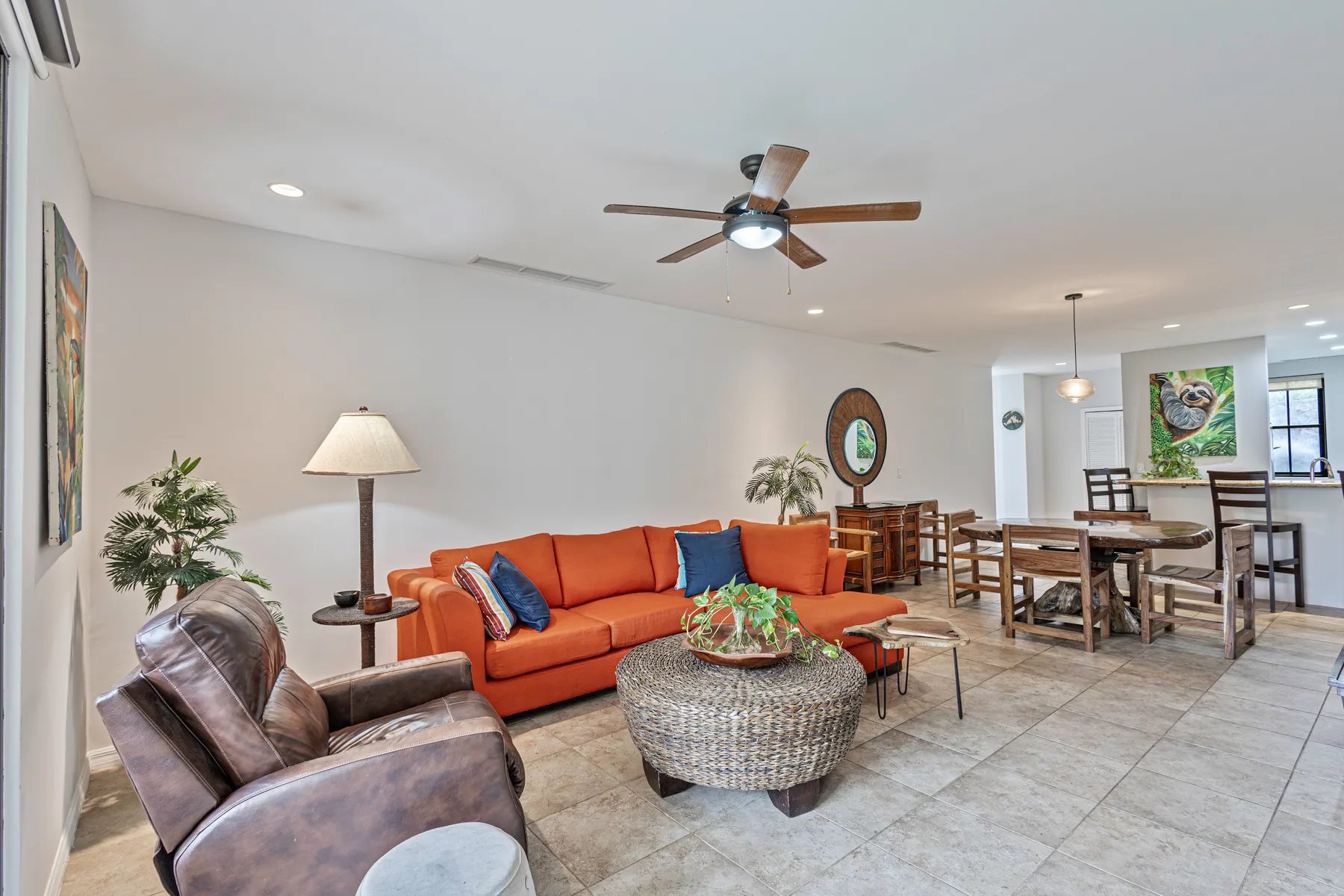
“Fully furnished” leaves room for misunderstanding. Prepare a written inventory covering furniture, appliances, televisions, linens, kitchen equipment, and outdoor items. List exclusions separately.
If you plan to keep artwork, a particular bed, or the patio set, settle that before photography and showings. Where an item visible in marketing is excluded, make that clear. Record appliance condition and avoid promising warranties you cannot document.
The agreed inventory should be reconciled with the contract and checked again before handover. A buyer should not have to guess whether the condo in the photos is the condo they will receive.
5. Price against relevant evidence—not the highest listing nearby
Compare properties that a buyer could realistically choose instead of yours. Bedrooms alone are not enough: community, floor level, stairs, size, condition, outdoor space, view, parking, HOA costs, and included furnishings all affect the comparison.
An asking price is not a completed sale. Active listings show the competition; they do not prove what buyers have paid. Use verified closed-sale evidence where available, and acknowledge gaps when it is not.
Our guide to reading Coco asking prices explains why market samples need context. Your original purchase price, renovation spending, and target proceeds matter to your planning, but do not independently establish market value.
Agree on a launch price, a way to review inquiries and showing feedback, and when to reassess the strategy. There is no honest universal promise for how quickly every Coco condo will sell.
6. Coordinate photography and showings
Photograph the condo after cleaning and preparation, with a consistent furniture layout and uncluttered counters. Include useful views of living areas, bedrooms, bathrooms, outdoor space, and the amenities a buyer is actually entitled to use.
Photos should represent the property accurately. Do not conceal damage, manufacture a view, or imply that a shared amenity is private. A clear layout and an honest description are more useful than a collection of tightly cropped highlights.
If the condo is occupied or rented, agree on notice, access, keys, and showing windows with the people involved. Respect guest and tenant arrangements. Choose a local point of contact if you are selling from abroad, and establish who can prepare the property before each visit.
7. Separate rental records from rental promises
If rental performance is part of the marketing, organize records that distinguish paid stays, owner use, cancellations, gross receipts, operating costs, and net owner proceeds. Remove guest personal information before sharing evidence.
Identify future bookings, deposits, management agreements, and any commitments extending beyond your preferred closing date. Do not assume reservations, platform accounts, or reviews automatically transfer to a buyer. Have the relevant parties confirm the handover arrangements in writing.
Our rental-income evaluation guide shows how buyers can assess the numbers. Documented history is useful; it is not a guarantee of future income.
8. Understand your likely net proceeds and closing needs
Before negotiating, request a transaction-specific estimate of your proceeds. Allow for the agreed brokerage fee and applicable taxes, legal costs allocated to you, loan repayment, any relevant tax obligations, outstanding balances, and negotiated adjustments.
Your attorney and tax adviser should confirm the treatment for your ownership structure and circumstances. Avoid relying on a single online percentage as a complete closing-cost calculation.
Also identify who will sign, whether anyone will be overseas, how existing bookings will be handled, and when the property can be delivered. An attractive offer still needs workable conditions, deadlines, and a clear handover plan.
Your pre-listing checklist
- Confirm ownership and signing authority with your attorney.
- Gather property, HOA, expense, and maintenance records.
- Resolve or document condition issues.
- Prepare the included-items inventory and exclusions.
- Review relevant competition and available sold evidence.
- Prepare the condo for accurate photography.
- Arrange showing access and rental-booking coordination.
- Estimate net proceeds and identify closing dependencies.
Start with a clear selling plan
You do not need to renovate everything or assemble a perfect file before speaking with a broker. You do need to know what is ready, what needs attention, and which questions require professional review. That gives the listing a stronger foundation and helps buyers evaluate it with fewer unanswered questions.
Thinking about selling your Coco condo?
Send Chris Hill your community, bedroom count, general condition, and preferred selling timeline. Epic Property CR can help you identify the next preparation steps and discuss a property-specific listing strategy.
By Chris Hill, Epic Property CR. This is a practical seller-preparation guide, not a legal or tax opinion. Documentation, costs, and transaction arrangements should be confirmed for your property with the appropriate professionals.