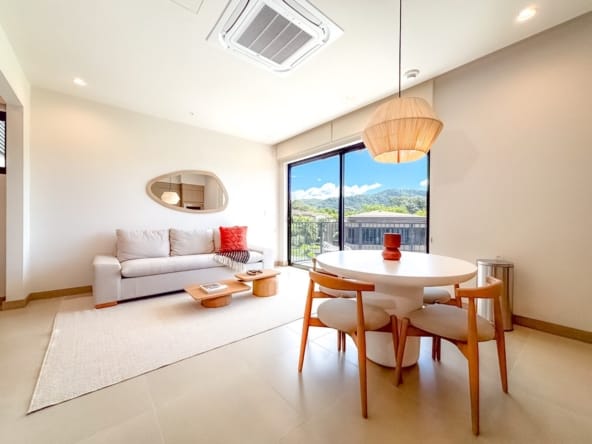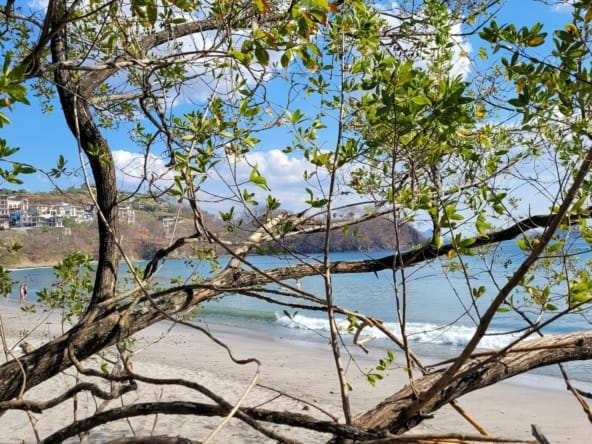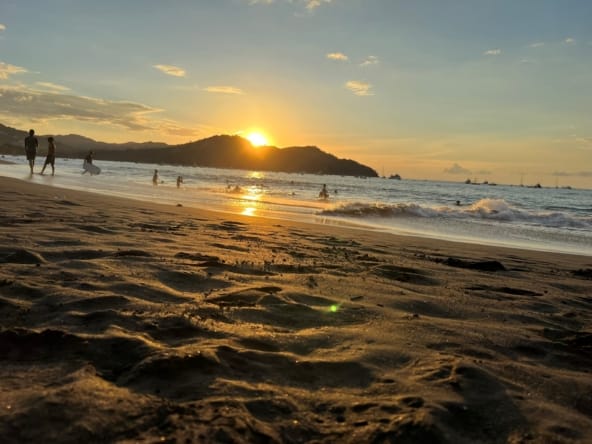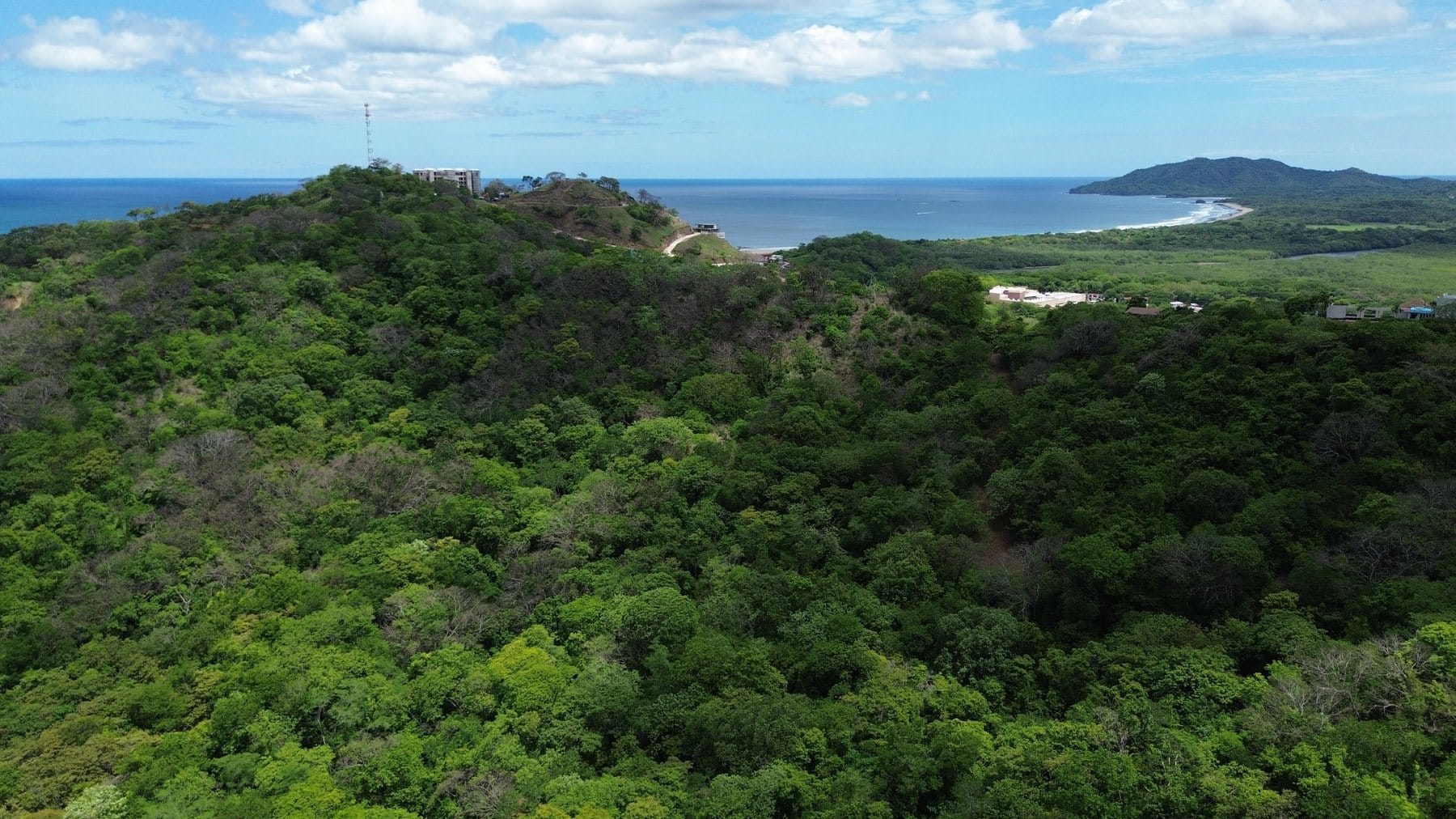
Coastal landscape from Epic Property CR’s land photography library. A photograph does not establish parcel boundaries or building rights.
Guanacaste land buyer guide
A view, a good location and an attractive price can make a lot worth visiting. They do not tell you whether you can build the home you have in mind—or what it will cost to make the site ready.
If you are buying land in Guanacaste, start with the project, not just the parcel. A single home, a house with a guest unit and a small rental development can require very different reviews of access, water, permitted use and infrastructure.
The short answer: before committing to a lot, have your independent legal and technical advisers confirm what rights you are buying, how you can legally reach the property, what the municipality permits, how water and wastewater will be handled, and how much usable building area remains after constraints are considered.
1. Define what you want to build
Write down your intended use before comparing land listings. Include the number of buildings, approximate size, pool, parking, guest accommodation and any future expansion or subdivision plans.
Then give that brief to the professionals reviewing the property. “Suitable for a house” is not the same question as “suitable for a house plus three rental villas.” A seller’s description of development potential should be treated as something to investigate, not as a permit.
Around Playas del Coco, Sardinal, Playa Hermosa and the wider Guanacaste coast, compare the actual site rather than relying on the town name. A hillside lot and a level roadside parcel may involve very different driveway, drainage and utility work.
2. Match the title, survey and land on the ground
Ask your Costa Rican attorney to review the registered owner, the rights offered for sale, liens, easements, restrictions and any relevant pending entries. Have a qualified surveyor compare the registered cadastral plan—often called the plano catastrado—with the physical boundaries and access.
A fence is not a substitute for a boundary review. Neither is a map pin or an aerial photograph.
Questions worth resolving include:
- Does the seller have the authority to transfer the rights being advertised?
- Do the registration, cadastral plan, area and physical occupation correspond?
- Are there encroachments, shared structures or access routes to investigate?
- Is the advertised lot already a separate parcel, or does its sale depend on a future subdivision?
- Are there condominium rules, architectural restrictions or other obligations affecting the proposed building?
For coastal land, have counsel determine whether the transaction involves ordinary titled ownership, concession rights or another legal situation. Do not assume that “beachfront” describes the ownership rights or building permissions.
3. Check legal access—not only the road you drove on
Being able to reach a lot during a showing does not establish a legally sufficient right of access for your plans.
Your attorney and surveyor should identify the access arrangement and the relevant records. Where an easement or private road is involved, investigate its scope, route, beneficiaries, restrictions and maintenance obligations. Your design professional should also evaluate whether that access works for the proposed project.
Separate the legal questions from the physical ones:
| Legal and documentary questions | Physical and budget questions |
|---|---|
| What right allows access to this parcel? | Can construction trucks reach the site? |
| Does it cover the intended use? | Are the grade, width and turning areas practical? |
| Who is responsible for maintenance? | What happens during heavy rain? |
| Can necessary utility connections cross the route? | Are road, bridge, culvert or drainage improvements needed? |
Get the answers before treating an attractive asking price as a complete site budget.
4. Understand exactly what the water documents establish
“Water nearby” can mean several things: a pipe along the road, an existing connection, a service-availability document, or a future infrastructure plan. Those are not interchangeable.
Identify the competent water provider for the parcel, which may be AyA, an ASADA or another authorized operator. Request the documentation relevant to the exact property and proposed use, then have your technical adviser confirm what it allows.
Ask:
- Does the document identify the correct parcel and proposed demand?
- Is service available now, or dependent on future work or conditions?
- What connections, extensions or other works are required, and who pays?
- What validity period or conditions apply to the document?
- Does an existing connection support the additional buildings you propose?
CFIA has specifically described a distinction between AyA documentation based on actual service availability and documentation linked to future water capacity. That is why the document’s precise meaning matters more than simply being told the property has a “water letter.” Confirm the current procedure directly for your project.
If a well is proposed, have qualified advisers investigate the applicable authorizations, legal use and practical supply. A visible well is not, by itself, confirmation that the proposed development can rely on it.
5. Confirm municipal land use and the approval path
Request the municipal land-use information for the property and your intended project. The uso de suelo addresses whether the proposed use conforms to the applicable rules; it should not be confused with a construction permit.
INVU explains that land-use certificates and construction permissions are municipal responsibilities. Where there is no applicable local regulatory plan, that does not mean the land is free of development rules.
Have your architect or engineer identify the constraints that matter, such as permitted use, setbacks, coverage, height, density, access and any additional approvals. If you plan to divide the land, obtain a separate subdivision-feasibility review. Owning a large parcel does not establish permission to sell it as smaller building lots.
6. Measure usable building area, not just total area
A listing may show a generous land area while leaving only a small practical building envelope.
Ask the technical team to consider topography, soil conditions, drainage, watercourses, vegetation or environmental constraints, road alignments and other applicable restrictions. Identify which studies and institutional reviews are relevant to the site before fixing a design or budget.
A site concept should show where the house, driveway, parking, wastewater system and outdoor spaces could fit. If the plan depends on major retaining walls, extensive earthworks or routing drainage through neighboring land, investigate those dependencies early.
This is also where wastewater matters. Do not assume every lot has a sewer connection or that a septic solution will fit simply because the property is large. Have a qualified professional evaluate the appropriate system, space and ground conditions.
INVU’s published requirements for urbanization and certain condominium projects illustrate how land use, water, wastewater, drainage and alignments interact. The precise requirements for an individual home must still be established for that project—not copied wholesale from a different development category.
7. Compare the cost of a usable site
The cheaper lot is not necessarily the cheaper place to build.
Compare the purchase price with the costs of due diligence, design, approvals and site preparation. Depending on the property, your budget may need to include:
- Surveying and relevant technical studies.
- Access improvements, earthworks and retaining structures.
- Water connection, storage or required infrastructure.
- Electrical connection and any line extensions.
- Drainage and wastewater works.
- Professional fees, permits and applicable charges.
- Ongoing association or private-road obligations.
- A contingency appropriate to the remaining uncertainties.
Request site-specific estimates rather than applying one construction price per square meter to every parcel. Keep land preparation separate from the house budget so you can see what is driving the difference between options.
8. Make the offer reflect the unresolved questions
Have your independent attorney structure the offer and purchase agreement around the investigations that still need to happen. Discuss the due-diligence period, access for professionals, required documents, deposit handling and the consequences if essential conditions are not satisfied.
The timetable should allow the work your team actually needs to complete. Do not assume every lot can be checked within the same number of days, or that every issue can safely be resolved after closing.
Your land-buying checklist
Before moving forward, aim to have:
- A clear written brief for the intended project.
- Legal review of the rights, ownership and restrictions.
- Survey and boundary/access review.
- Municipal land-use guidance for that project.
- Water documentation with its scope and conditions understood.
- An initial building-envelope, drainage and wastewater assessment.
- A site-preparation budget and realistic approval path.
- An agreement that addresses outstanding conditions.
Frequently asked questions
Does a registered title mean I can build immediately?
No. Ownership, permitted land use and construction approval are separate matters. Investigate access, services, physical conditions and applicable approvals for the intended project.
Is a water letter enough?
Not without understanding what it says. Confirm the parcel, proposed demand, document type, conditions and whether supply depends on future infrastructure.
Can I divide a larger property later?
Do not assume so. Subdivision depends on the applicable rules and property characteristics. Obtain advice from a qualified surveyor and the relevant authorities before valuing the land on that basis.
Should I buy the land before speaking with a builder?
Bring qualified design and construction advisers into the evaluation early enough to identify feasibility and cost issues. A construction quote does not replace legal, surveying or permitting review, but early technical input can improve your comparison.
Find land that fits the project
Tell Chris where you want to buy, your total land-and-build budget, and whether you are planning one home or a larger project. Epic Property CR can help narrow the property search and coordinate the next questions for your independent advisers.
Browse Guanacaste land listings Discuss your plans with Chris Read the Guanacaste Buyer’s Guide
Sources and scope
- INVU: land-use certificates, construction permissions and subdivision FAQs.
- INVU: requirements for urbanization and specified condominium/residential projects. These are project-category examples, not a universal single-home checklist.
- CFIA: explanation of AyA water-capacity documentation. Historical explanation of a 2024 change; current document requirements and conditions must be confirmed with the responsible provider.
Source pages reviewed October 7, 2026. This guide is an initial buyer checklist, not a parcel-specific legal opinion, engineering assessment or confirmation of building rights.